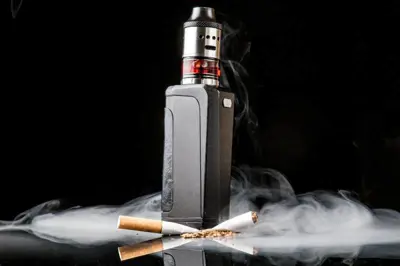
A new study found that e-cig vapor doesn’t promote the growth of cancer cells, but cigarette smoke does. That may not be big news to vapers, but it could convince some smokers to give vaping a chance.
The study comes from British American Tobacco (BAT), and was published in the journal Environmental and Molecular Mutagenesis. The testing was done by BioReliance Corp., a high-tech biological safety testing provider. The research is part of a series of comparisons between cigarettes and vapor and HeatNotBurn products.
The scientists used a test called the Bhas 42 in vitro cell transformation assay (CTA) to measure the potential of cigarette smoke and e-cig vapor to produce different kinds of carcinogens. This is the first time the Bhas 42 assay has been used to compare vapor and tobacco smoke.
No scientists have greater incentive to get their work exactly right.
As you’ve probably figured by now, the study found that the cigarette smoke and vapor had dramatically different potential for promoting tumor growth. Actually, the e-cigarette (a Vype e-pen) produced no carcinogenic “promoter activity” at all. The cigarette, on the other hand, showed “high toxicity.”
The researchers say the use of the Bhas 42 assay “demonstrates the potential for its future application as part of a product assessment framework.” In other words, this study protocol can be used to test other vaping products for carcinogenic potential.
“These data add to growing evidence suggesting that e-cigarettes may provide a safer alternative to traditional cigarettes,” they conclude.
Can you trust a Big Tobacco study?

Yes, the study comes from Big Tobacco scientists and funding, but nowadays that may be the most reliable source for such research. Why? Simply put, the tobacco industry knows that everything they stand behind will be carefully reviewed by a thousand skeptics.
If BAT releases shoddy science, they’ll be accused — rightly — of living up to the reputation of the tobacco companies for lying and hiding the facts about their products. After all, the industry lied for years about its knowledge of the dangers of cigarettes.
If they were discovered to be hiding known risks of their vapor products, they would be open to possible criminal charges. No scientists have greater incentive to get their work exactly right. And no business can less afford to look like liars.
Whether you think tobacco companies have changed for the better doesn’t matter. Even if they don’t care about their customers’ health, their powerful sense of self-preservation is the greatest insurance we have of seeing honest science from them. They’re doing it for themselves.


CBG (cannabigerol) is the mother of all cannabinoids, including CBD and THC. Learn more about CBG flower, its effects, strains, and whether it can get you high.

Learn how old you have to be to buy caffeine pouches, including federal and state age restrictions, retailer policies, and rules for minors.

Learn whether caffeine pouches are safe, including potential side effects, caffeine limits, oral health risks, and who should avoid them.

Because of declining cigarette sales, state governments in the U.S. and countries around the world are looking to vapor products as a new source of tax revenue.