According to Reuters, Shopify has ordered merchants to remove vaping products from their online stores under a policy that Reuters reports applies globally.
According to a June 24 notice confirmed by Shopify, the company “no longer supports the sale” of electronic nicotine delivery systems (ENDS). Merchants had until July 8 to remove the products or risk listing suspension or store termination. A spokesperson for California Attorney General Rob Bonta told Reuters the policy applies globally.
The policy followed months of pressure from a bipartisan coalition of 25 attorneys general, co-led by California and the City of New York. In a June 23 statement, Bonta’s office called Shopify’s decision a response to the coalition’s demands. The group’s Nov. 24 letter to Shopify identified 29 websites hosted on the platform and sought a “comprehensive solution” aimed at illegal sellers.
Shopify’s answer goes much further. The company has not drawn a line between products lacking U.S. Food and Drug Administration (FDA) marketing authorization and products that may be legally sold elsewhere. It has not even exempted the small group of products the agency permits in the United States.
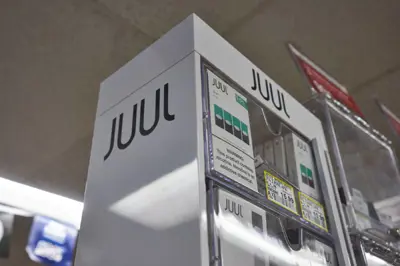
The FDA’s current authorized-products list contains 45 e-cigarettes, including products made by JUUL Labs, NJOY, R.J. Reynolds Vapor Company, Logic, and Glas. The agency stresses that marketing authorization does not mean a product is safe or “FDA-approved.” But Shopify now bars those authorized products alongside every unauthorized one.
That distinction matters because Shopify says millions of businesses in about 175 countries use its platform. Many operate under laws that permit regulated adult vape sales. England, for example, banned single-use vapes on June 1, 2025, while allowing reusable products to remain on sale.
Bonta called the change a victory against illegal nicotine sales. For lawful retailers outside the United States, it is something else: a private global prohibition that extends beyond the U.S. enforcement action. Those businesses must now remove legal products or rebuild their stores somewhere else.
When a dominant commerce platform responds to targeted U.S. enforcement with a worldwide category ban, American tobacco policy does not stop at the border. It becomes the default rule for everyone.
CBG (cannabigerol) is the mother of all cannabinoids, including CBD and THC. Learn more about CBG flower, its effects, strains, and whether it can get you high.

Learn how old you have to be to buy caffeine pouches, including federal and state age restrictions, retailer policies, and rules for minors.
Learn whether caffeine pouches are safe, including potential side effects, caffeine limits, oral health risks, and who should avoid them.

Because of declining cigarette sales, state governments in the U.S. and countries around the world are looking to vapor products as a new source of tax revenue.