The United Kingdom will expand its minimum age-of-sale rules to cover nicotine-free vapes, nicotine pouches, and other nicotine products on Oct. 29, while also banning vape vending machines and promotional giveaways.
The changes are part of the Tobacco and Vapes Act 2026 and will affect retailers throughout England, Scotland, Wales, and Northern Ireland. They will bring products previously outside some age restrictions under the same minimum purchasing age of 18.
The Tobacco and Vapes Act 2026 broadens the definition of regulated nicotine products to include tobacco-free nicotine pouches, dissolvable nicotine strips, and other products containing nicotine, including synthetic nicotine. Licensed medicinal products, such as approved nicotine-replacement therapies, remain exempt.
England, Wales, and Northern Ireland will extend their age restrictions to nicotine-free vaping products. Scotland already restricts sales of nicotine-free vapes to minors, but its rules will now cover additional nicotine products.
The law will also make it illegal for adults to purchase, or attempt to purchase, vaping and nicotine products on behalf of anyone under 18. This practice, known as proxy purchasing, will carry penalties that vary among the four UK nations. In England and Wales, some violations can result in fines of up to £2,500.
Retailers will face additional restrictions on how they promote vaping and nicotine products. Free promotional samples and coupons will be prohibited, along with substantial discounts intended to encourage purchases. Ordinary price reductions will not automatically be illegal, but enforcement will depend on the discount's size and purpose.
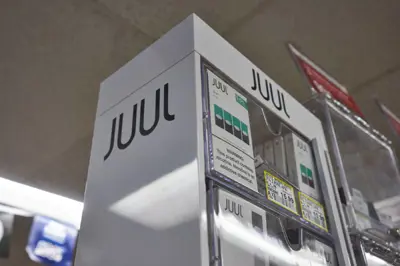
The legislation also extends vending-machine restrictions to vaping products, nicotine products, and certain other smoking-related goods. The UK already bans tobacco vending machines.
Businesses will not necessarily have to remove their machines. Equipment used exclusively by employees or located where customers cannot access it may remain in operation. An exception also allows vape vending machines in designated inpatient areas of mental health hospitals in England and Wales. Otherwise, the prohibition generally applies to machines accessible to customers.
The new restrictions arrive just weeks after the UK introduced its long-planned tax on vaping liquids. On Oct. 1, the government began collecting Vaping Products Duty at £2.20 per 10 mL of e-liquid, regardless of nicotine content.
The combination of new taxes and retail restrictions adds costs and compliance requirements for vape businesses. The tax also applies to nicotine-free e-liquid, meaning those products receive no exemption or lower rate under the new duty.
The government says the wider legislation is intended to discourage nicotine use among young people while preserving vaping as an alternative for adult smokers. However, the restrictions also reduce promotional opportunities for products used by adults seeking alternatives to cigarettes.
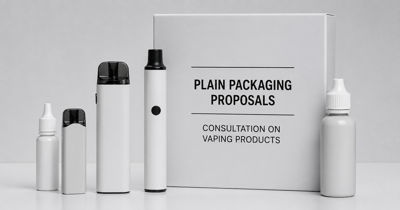
The Oct. 29 changes are only part of the legislation. Further rules governing vape packaging, flavors, retail displays, and licensing could follow as ministers exercise additional regulatory powers.

CBG (cannabigerol) is the mother of all cannabinoids, including CBD and THC. Learn more about CBG flower, its effects, strains, and whether it can get you high.

Learn how old you have to be to buy caffeine pouches, including federal and state age restrictions, retailer policies, and rules for minors.
Learn whether caffeine pouches are safe, including potential side effects, caffeine limits, oral health risks, and who should avoid them.

Because of declining cigarette sales, state governments in the U.S. and countries around the world are looking to vapor products as a new source of tax revenue.