May 5, 2026 - The FDA has granted marketing authorization for four additional Glas G2 pods, including two fruit flavors (blueberry and mango). All are available only in 50 mg/mL nicotine strength.
Updated list of currently available FDA-authorized e-liquid-based vapes:
Glas G2 + one tobacco-flavored, two menthol-flavored, and two fruit-flavored refill pods
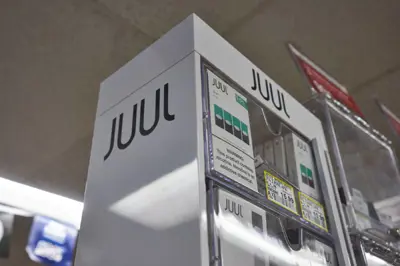
JUUL + two tobacco- and two menthol-flavored refill pods
Logic Pro + two tobacco-flavored refill cartridges
Logic Power + one tobacco-flavored refill cartridges
NJOY DAILY - tobacco and menthol versions
NJOY DAILY EXTRA - tobacco and menthol versions
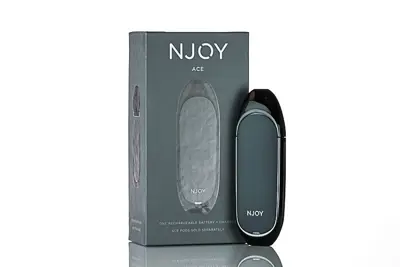
NJOY ACE + three tobacco- and two menthol-flavored refill pods
Vuse Alto + six tobacco-flavored refill pods
Vuse Solo + two tobacco-flavored refill cartridges
Vuse Vibe + one tobacco-flavored refill cartridge
March 12, 2026 - The FDA has granted marketing authorization for the Glas G2 device and one Blonde Tobacco refill pod (in 50 mg/mL strength)
July 17, 2025 - The FDA has granted marketing authorization for the JUUL pod vape and four refill pods (Virginia Tobacco and Menthol, each in both 3 and 5 percent nicotine strengths).
July 18, 2024 - The FDA has granted marketing authorization to the Vuse Alto pod vape and six refill pods (Golden Tobacco and Rich Tobacco flavors, both available in 1.8, 2.4, and 5.0 percent nicotine strengths).
June 21, 2024 - The FDA has authorized four menthol-flavored products made by NJOY: NJOY ACE menthol pods in 2.4 and 5 percent nicotine strengths, and the NJOY DAILY Menthol (4.5 percent) and NJOY DAILY EXTRA Menthol (6 percent).
Sept. 20, 2023
The FDA has created a downloadable one-page list of vaping products the agency has authorized for sale in the United States. The list, says the agency, is intended for “tobacco retailers looking for information on what e-cigarettes are legal to sell.” In a tweet describing the list, the FDA said that, “As of August 2023, FDA has authorized 23 tobacco-flavored e-cigarettes and devices.”
But that’s not exactly true. First, most of the 23 “e-cigarettes and devices” (huh?) are refills—12 to be precise. There are also multiple versions of some of the authorized devices, with minor differences that have no effect on the user experience. So, there are two Vuse Vibes, two Vuse Ciros, and two NJOY Dailys. Finally, one of the devices isn’t an e-cigarette at all.
Are heated tobacco products ``e-cigarettes``?
That’s right. The Logic Vapeleaf Tobacco Vapor System and its authorized refills are heated tobacco products (HTPs—also known as heat-not-burn products) that vaporize a solid capsule refill that contains real tobacco. There’s nothing wrong with the FDA granting marketing authorization for HTPs, but if the agency believes HTP devices are e-cigarettes, why not also add Philip Morris International’s IQOS HTP device and refills to the authorized “e-cigarette” list?
In 2019, the FDA authorized PMI’s original IQOS device under the premarket tobacco application (PMTA) pathway, and later as a modified risk tobacco product (MRTP). The agency authorized three different IQOS HeatSticks refills in 2019, including two menthol-flavored versions. In 2021, the FDA authorized an updated version of the IQOS device, and earlier this year the FDA gave the green light to three additional tobacco-flavored HeatSticks. That adds up to eight authorized IQOS products.
The IQOS authorizations would add eight more “e-cigarettes and devices” to the agency’s impressive list, so why leave them out? It can’t be because HTP products aren’t really e-cigarettes. After all, the FDA put the Logic Vapeleaf HTP products on its list.
Is it because the FDA wants to downplay its authorization of low-risk IQOS products in menthol flavors, since FDA Commissioner Robert Califf and Center for Tobacco Products (CTP) Director Brian King have made the prohibition of menthol a cornerstone of their confused (and confusing) war on low-risk nicotine products?
Or is it because King and Califf don’t want to remind their friends in tobacco control that the agency has given the green light to so many IQOS SKUs? There are more FDA-authorized IQOS products than all of the available e-liquid-based vaping devices given marketing permission by the agency.
The FDA has authorized six vapes that are available to consumers
In fact, since King took over at the CTP in July 2022, the regulatory agency hasn’t authorized a single e-liquid-based vaping product—just more IQOS refills.
It has, however, lost three products from the list. R.J. Reynolds has stopped selling its unpopular Vuse Ciro device (and refills), making the FDA’s three Ciro marketing granted orders (MGOs) pretty much moot. The Ciro was so commercially insignificant that RJR stopped appealing an FDA marketing denial order (MDO) for Ciro menthol refills—a fact the agency was fully aware of when it created its list.
So let’s make a real “FDA authorized e-cigarettes” list. We’re going to ignore the three Logic Vapeleaf products, because they’re not e-cigarettes. Then we’ll eliminate duplicate device authorizations (the two Vuse Vibe Power Units are virtually identical), and authorizations for products no longer sold (bye, Ciro).
That adds up to six devices (or seven, if you insist on counting the barely different NJOY Dailys separately), with nothing to put in them except artificial tobacco flavors.
Is unauthorized the same as illegal?
The FDA has refused to consider authorizing any vaping product people enjoy using—including all the vapes used by people to replace deadly combustible cigarettes.
Here’s a list of vaping products the agency hasn’t authorized:
- Bottled e-liquid: 0
- Open-system (refillable) devices, tanks and pods: 0
- Vapes in flavors other than tobacco: 0
- Disposable vapes people like: 0
- Vapes popular in vape shops: 0
- Vapes popular in convenience stores: 0
- Vapes popular anywhere in the world: 0
- Vapes made by companies not owned by Big Tobacco: 0
Remember, while millions of independent vape industry products have been denied authorization by the FDA, many others are being disputed in federal courts. And hundreds more PMTAs remain under FDA review, with no decision yet made.
While those products have not been specifically authorized for sale, the FDA has indicated by words and actions that it will not enforce against them while their PMTAs or legal challenges are pending. Ultimately, FDA's list of authorized products is meaningless unless the agency decides to take action against thousands of products with uncertain authorization status. As it stands now, unauthorized does not necessarily mean illegal.

CBG (cannabigerol) is the mother of all cannabinoids, including CBD and THC. Learn more about CBG flower, its effects, strains, and whether it can get you high.

Learn how old you have to be to buy caffeine pouches, including federal and state age restrictions, retailer policies, and rules for minors.
Learn whether caffeine pouches are safe, including potential side effects, caffeine limits, oral health risks, and who should avoid them.

Because of declining cigarette sales, state governments in the U.S. and countries around the world are looking to vapor products as a new source of tax revenue.