IQOS ILUMA PRIME
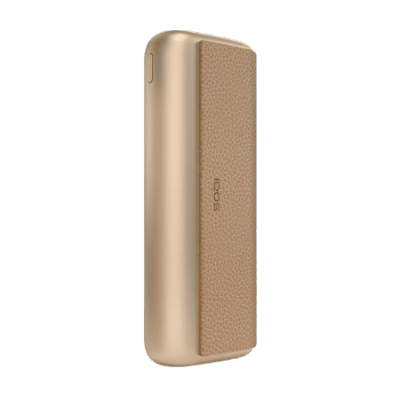
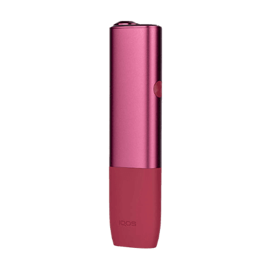
The IQOS ILUMA PRIME is the luxury model in the ILUMA family. Although the specs and two-piece design are comparable to the standard ILUMA, the PRIME excels in quality. Its anodized aluminum construction and textured wrap provide a premium, high-end feel. Like all ILUMA devices, it utilizes the SMARTCORE INDUCTION SYSTEM, a bladeless design for improved performance and reduced maintenance.

Vapes and nicotine pouches may have helped millions of people quit smoking, but they’re not the perfect solution for everyone. Some require a more familiar experience: the taste and aroma of real tobacco, the distinct feel of a paper filter, and predetermined session times. That’s where heated tobacco products come in, as they can closely mimic smoking with combustion-free technology.
This list covers some of the best heat-not-burn products on the market, from affordable, entry-level options to advanced setups. Whether you’re looking for your first device or an upgrade, we’ve got you covered.



What are heated tobacco products?
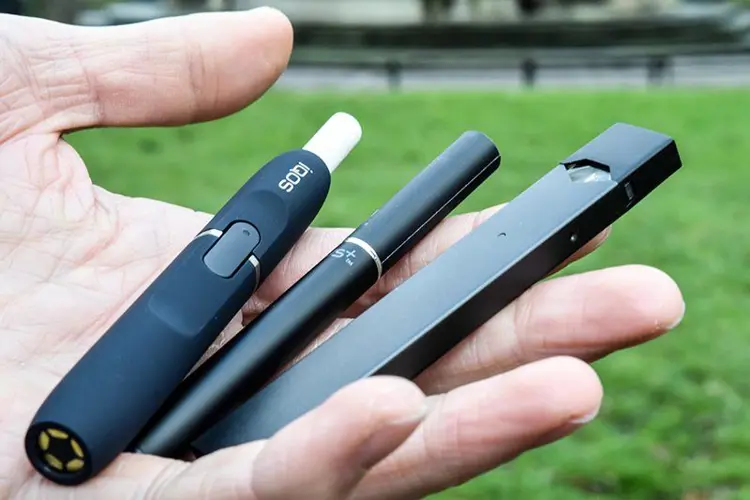
Heated tobacco products (HTPs) are battery-powered devices that heat tobacco to precise temperatures below its combustion point. This method—which is also sometimes called “heat-not-burn” (HNB)—eliminates the harmful smoke produced by traditional cigarettes and replaces it with a tobacco-infused vapor. The proprietary tobacco sticks used in HTPs usually include a mixture of real tobacco, vegetable glycerin (increases the visible vapor), and a binding agent (such as guar gum).
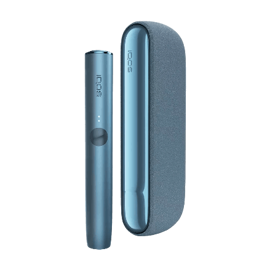
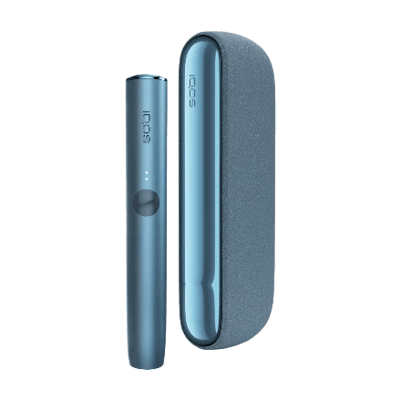
The devices come in two different formats. Products like the IQOS ILUMA have a two-piece design: a slim “holder” (the heating component and a small internal battery) paired with a “pocket charger” to charge the holder between uses. Many other devices, such as the ILUMA ONE, utilize an all-in-one design, where the holder and charger are integrated into a single unit.
Although functionality varies, using a heat-not-burn device is usually straightforward. Simply insert a tobacco stick into the chamber, allow it to warm up (commonly 15-25 seconds), and then inhale. The process closely mirrors cigarette smoking, as users can enjoy real tobacco in a cigarette-style format and receive comparable levels of nicotine. Also, the experience is constrained by a predetermined session time, which most smokers are accustomed to. After the time has expired, most devices automatically turn off.
Similarities aside, users will likely notice a difference in flavor. Because HTPs do not burn tobacco, certain dominant flavor notes from cigarettes (such as smoke and ash) are mostly absent. The result is a purer representation of the tobacco, which some users need time to get used to.
Is heated tobacco safer than cigarettes?
Most of the health risks associated with conventional cigarettes are the result of the combustion process. When cigarettes are burned, they release thousands of chemicals, such as carbon monoxide, formaldehyde, and hydrogen cyanide. Hundreds of these chemicals are known to be harmful, and around 60-70 of them (if not more) are known carcinogens.
Combustion does not occur in heated tobacco products, thus many of the toxicants associated with cigarette smoking are absent. A 2022 Cochrane review found moderate‐certainty evidence that HTPs expose users to fewer carcinogens and toxicants than cigarettes. Some studies have also indicated that switching from cigarettes to HTPsmay improve several biomarkers of potential harm.
The impact of combustible cigarettes on mucociliary clearance (MCC) is another area of concern. Mucus and cilia work in tandem to remove pathogens and debris from the airways. Cigarette smoke damages cilia and impairs mucus function, leading to a host of respiratory issues. However, cilia damage may be reversible for those who abstain from combustion. A study of former smokers who exclusively switched to combustion-free nicotine products (HTPs or vapes) revealed that their MCC was similar to that of former and never smokers.
It is also worth noting that IQOS was granted a modified risk designation by FDA in 2020. Modified-risk tobacco products (MRTPs) are expected to benefit public health by reducing exposure to harmful substances. However, while HTPs may be recognized as less harmful than cigarettes, they shouldn’t be considered “harmless.” The use of any tobacco product is always associated with a degree of risk.
Can heat-not-burn products help me quit smoking?
Although heated tobacco products are not an approved form of nicotine replacement therapy (NRT), many see them as a valuable tool for smoking cessation. Nicotine patches, gums, and lozenges may work for some, but their dissimilarity to cigarettes is often a stumbling block. HTPs, on the other hand, unapologetically embrace the smoking experience (in a combustion-free format), which may promote a smoother transition.
Regardless of their potential, there is limited data on the efficacy of HTPs for smoking cessation. One Altria-funded study found a significant decrease in cigarette consumption in adults who began using HTPs. They also reported an increased likelihood of smoking cessation from HTP (and e-cigarette) users. While other studies have echoed these claims, most were funded by tobacco companies, leading some to challenge their reliability. Ultimately, more research is needed to determine the impact of HTPs on smoking prevalence.
We can, however, gain some insight from real-world examples. The rollout of HTPs in Japan in 2016 corresponds to a sharp decline in cigarette sales. Note that the sale of nicotine e-juice is illegal in Japan, which has drastically limited the availability of less-harmful smoking alternatives. This may partially explain why HTPs have been so widely embraced.
While the actual statistics may be lacking, HTPs have undoubtedly helped many people quit smoking. If NRTs, vapes, snus, and nicotine pouches are inadequate or unappealing, heat-not-burn products may provide a useful off-ramp from combustible cigarettes. Everyone is different, which is why tobacco harm reduction products exist on a spectrum. Nicotine-free products are also available for those who are trying to break away from nicotine entirely.
Differences between IQOS HEETS and TEREA sticks
IQOS manufactures two styles of tobacco sticks: HEETS and TEREA. While they look similar, they rely on completely different heating mechanisms and cannot be used interchangeably.
HEETS (also known as “HeatSticks”): HEETS are the original IQOS cigarettes. They utilize a heating system in which a ceramic sensor blade (built into the device) punctures the stick and heats it from the inside. HEETS were produced for the first three generations of IQOS devices (this includes everything except for the newer ILUMA series). Many IQOS alternatives use similar heating technology, so cross-compatibility with other devices may be possible, although we cannot confirm this.
TEREA: TEREA sticks are a newer innovation, designed for the ILUMA series (fourth generation IQOS devices). Rather than a blade system, TEREAs rely on electromagnetic induction heating. A stainless steel plate is integrated into every stick, which heats up when inserted into the device. This advanced technology (named the “SMARTCORE INDUCTION SYSTEM”) reduces maintenance, promotes improved heat dissipation, and enhances the flavor. It also eliminates concerns about breaking the fragile ceramic blades found in earlier devices.
Can I use cigarettes in heated tobacco devices?
Heated tobacco sticks may closely resemble short cigarettes, but their construction is much different. Cigarettes are designed to be burned, whereas tobacco sticks are designed to be heated. Thus, traditional cigarettes are not compatible with heat-not-burn devices. Let’s explore why.
Although real tobacco is used in both products, it is processed much differently. Cigarettes contain dried, fine-cut tobacco packed into a paper tube—that’s pretty much it. On the other hand, the tobacco in most HNB sticks is finely ground, mixed with vegetable glycerin and binding agents, pressed into sheets, cut into strips, and dried.
There are a couple of reasons for this extensive process. First, vegetable glycerin is a crucial ingredient, as it is largely responsible for producing the visible vapor (it also prevents the tobacco from overheating). Second, the tobacco strips are arranged vertically in the stick, which allows the blade mechanism (in some devices) to slip between them.
Tobacco sticks may differ from traditional cigarettes in other ways as well:
- Some (not all) HNB sticks have aluminum foil liners to help maintain temperature and prevent the paper from combusting.
- Heating components are sometimes integrated into the stick. IQOS TEREA sticks, for example, contain stainless steel plates, which are necessary for the device to function.
- They often contain several other unique components, such as cooling plugs, seals, protective wraps, specially designed filters, and airflow chambers.
Ultimately, the complex design and manufacturing process of tobacco sticks is necessary for their performance in HNB devices; cigarettes cannot be substituted.
Choosing the right heated tobacco device
Those new to the heat-not-burn tobacco scene may be overwhelmed by the number of options on the market. IQOS may be the most established brand, but many serviceable (often more affordable) IQOS alternatives are also available. Here are a few things to consider before purchasing your first device:
- Tobacco stick availability: many brands of tobacco sticks are only sold in specific regions. Before purchasing a kit, make sure the compatible sticks are readily available.
- Uses per charge/battery size: most HNB devices deliver around 20 uses per charge, but smaller devices may offer considerably less. The charge times also vary, with some devices requiring over 90 minutes. Those with limited access to chargers throughout the day should select a device that accommodates their daily consumption.
- Device size: some devices fit comfortably in the pocket, while others are more suited for handbags and backpacks. If portability is an important factor, review the dimensions before purchasing.
- Maintenance: devices with blade heating should be cleaned daily, which may be inconvenient for some. In contrast, devices that utilize induction heating usually do not require regular cleaning.
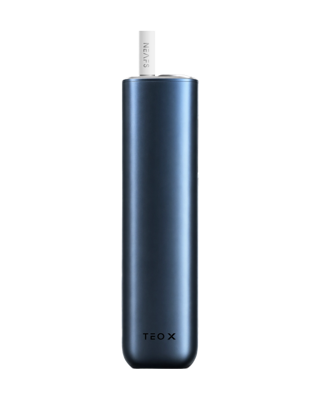
- Tobacco-free options: If you’d like to eliminate tobacco or nicotine from the experience, there are a few options available (and more coming). For example, the NEAFS TEO offers tobacco-free, nicotine-free, and even CBD sticks.
Check out our OXVA XLIM 4 and XLIM PRO 4 review to learn about the new UNITECH 3.0 pods and the incredibly innovative anti-burn tech (ABT).
The DOJO BLAST X combines a 10 mL refill system, a dual-mesh coil, and a 1000 mAh battery. Is it needlessly confusing? Read our review to find out.
The Lost Mary BM6000 is a pre-filled pod vape that pairs a 2 mL pod with a 10 mL refill container and a QUAQ mesh coil. Read our review to learn more.
The DOJO PUREX 60K is a disposable vape with a 1000 mAh battery, 16 mL INSTA-JUICED tank, and two power modes. Read our review to learn more.

CBG (cannabigerol) is the mother of all cannabinoids, including CBD and THC. Learn more about CBG flower, its effects, strains, and whether it can get you high.

Learn how old you have to be to buy caffeine pouches, including federal and state age restrictions, retailer policies, and rules for minors.
Learn whether caffeine pouches are safe, including potential side effects, caffeine limits, oral health risks, and who should avoid them.

Because of declining cigarette sales, state governments in the U.S. and countries around the world are looking to vapor products as a new source of tax revenue.

Find Your Perfect Product
Navigate our vape database precisely by customizing your filters. Find products tailored to your needs with options like price, category, and more.
Sort by:




Rely on Our Expertise
At Vaping360, we take pride in our deep expertise and years of experience in the vaping industry. Our dedicated team of professionals is committed to leveraging their extensive knowledge to meet your needs and exceed your expectations.