The House has approved a defense policy bill that would authorize the Pentagon to test e-cigarettes, nicotine pouches, and heated tobacco products alongside counseling, gum, and patches for active-duty personnel who smoke.
The provision is a rare federal acknowledgment that helping smokers move away from combustion may require more than the same limited menu of cessation products. But it is not yet law, and even if enacted, the Defense Department would not be required to launch the program.
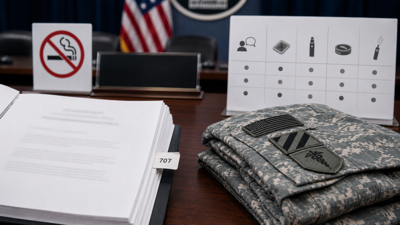
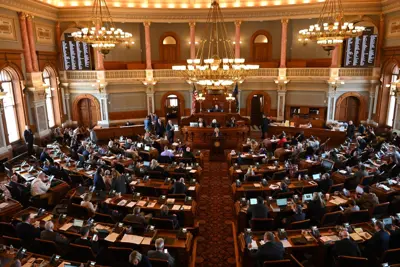
Lawmakers passed H.R. 8800 by a 216-212 vote on July 22. Section 707 of the fiscal year 2027 National Defense Authorization Act says the defense secretary may begin a one-year pilot within 180 days of enactment. It would cover active-duty members of the Army, Navy, Marine Corps, Air Force, and Space Force who smoke at least one combustible tobacco product per week.
The bill lists six options: counseling, nicotine gum, nicotine patches, e-cigarettes, nicotine pouches, and heat-not-burn products. The program would operate in at least one service and at least one installation where smoking and the named demographic populations exceed national averages. The Pentagon would report which options worked best, identify gaps in care, and recommend whether the pilot should continue or expand.
The language began as an amendment offered by North Carolina Rep. Don Davis and was adopted during the House Armed Services Committee’s June markup. Its wording is important: the secretary may run the pilot. Congress is offering authority, not issuing an order. That distinction could matter if military health officials resist testing nontraditional options.
The target population is not trivial. A Defense Health Agency analysis of 2018 survey data estimated cigarette use among active-duty personnel at 18.4 percent, compared with 11.1 percent in a separate military health assessment. The same analysis found especially high cigarette and e-cigarette use among service members ages 17–24.
That makes the proposal less radical than its product list may suggest. The FDA places cigarettes at the most harmful end of a continuum of risk, while noncombustible products generally present lower risks. The agency has also authorized specific e-cigarettes through the premarket tobacco product application (PMTA) pathway and authorized nicotine pouches under the same standard.
The provision still faces a difficult path. The Senate Armed Services Committee’s separate fiscal year 2027 defense bill contains no comparable smoking pilot. The House language must survive Senate action and eventual negotiations before the president can sign a final NDAA.

Learn whether caffeine pouches are safe, including potential side effects, caffeine limits, oral health risks, and who should avoid them.

Because of declining cigarette sales, state governments in the U.S. and countries around the world are looking to vapor products as a new source of tax revenue.

A list of vaping product flavor bans and online sales bans in the United States, and sales and possession bans in other countries.

A closer look at PouchPoint, an online nicotine pouch store offering competitive pricing, wide selection, and a smooth shopping experience.