The FDA announced today new warning letters to six vape manufacturers or distributors offering unauthorized products for sale at a trade show. The agency also sent warning letters to five companies for strictly online sales.
It’s unclear if the trade show surveillance involved other federal agencies that are part of the joint FDA-Justice Department enforcement task force announced in June, or whether surveilling trade events to identify targets will be an ongoing enforcement tactic for the FDA.
The agency press release notes that six companies were cited “subsequent to observations made by Center for Tobacco Products (CTP) staff attending the trade show,” and says that “the sale and distribution of unauthorized tobacco products is illegal, including at industry events such as trade shows or expos.”
However, products not authorized for U.S. sale can be legally sold by domestic companies to foreign retailers and distributors, and buyers for those businesses often meet sellers at trade events.
The FDA warning letters zeroed in on sellers of Breeze, Mr. Fog, and Raz disposable vapes, two of which it said were among the most popular brands named by teenage vapers on this year’s National Youth Tobacco Survey.
The 11 cited vendors were:
- Beard Management Inc. d/b/a Beard Vape Co. d/b/a Lucky Bar Holdings d/b/a Fifty Bar
- Breeze Smoke Official
- Bugatti Vape, LLC
- FUNCOOL Technology Co., Limited d/b/a RAZ Vape
- Mery Vape
- MR FOG d/b/a MR FOG Officials
- Mr Fog Switch
- Quad Life USA Inc.
- Shenzhen Greensound High-Tech Co. Ltd. d/b/a ENVA
- SS Vape Brands Inc. d/b/a Monster Vape Labs d/b/a The Monster Group
- Sweet TSV 1 d/b/a Sweet Vape Shop
Although the FDA press release differentiated between the companies cited after CTP staff observed them at a trade show and the companies discovered in other ways (Google searches, for example), the warning letters for all 11 are essentially identical and cite each company for online sales of products not authorized for sale by the FDA.
Two of the companies cited are foreign entities (one each from China and Japan), and one domestic company was cited for selling what appears to be 10 percent DIY nicotine base. The rest received warnings for sales of various disposable vapes.
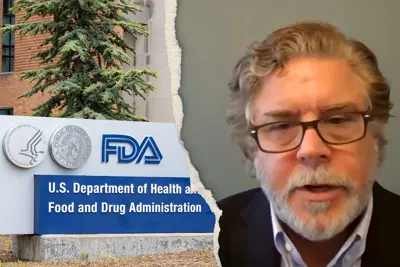
The warnings were announced three days after U.S. House members questioned CTP Director Brian King about vape enforcement during a subcommittee hearing. FDA enforcement actions are frequently announced immediately before or after such hearings.
FDA enforcement actions have focused strictly on products made and sold by vape manufacturers not affiliated with the tobacco industry—and mostly by small companies with limited resources to fight back. Despite millions of premarket tobacco application (PMTA) submissions by independent e-liquid and device manufacturers, the agency has authorized just a tiny handful of products—all produced by manufacturers affiliated with major tobacco companies.

CBG (cannabigerol) is the mother of all cannabinoids, including CBD and THC. Learn more about CBG flower, its effects, strains, and whether it can get you high.

Learn how old you have to be to buy caffeine pouches, including federal and state age restrictions, retailer policies, and rules for minors.
Learn whether caffeine pouches are safe, including potential side effects, caffeine limits, oral health risks, and who should avoid them.

Because of declining cigarette sales, state governments in the U.S. and countries around the world are looking to vapor products as a new source of tax revenue.